
DeepSeek Ships Its Own Coding Harness, and Every Piece Is Swappable
DeepSeek released a developer preview of DeepSeek Harness v0.1. Its Cordis design makes the model, tools, sessions, execution loop, sandbox and web UI all replaceable plugins.
DeepSeek released a developer preview of DeepSeek Harness v0.1 on August 13.
If "harness" is unfamiliar, here is the short version: the harness is the layer that turns a language model into a working agent. The model thinks; the harness decides which tool gets called, where output is stored, and when the loop ends.
What's different: the Cordis design
What separates this harness from the field is its architecture, called Cordis, which came out of a research collaboration between DeepSeek and Peking University.
The idea is that every component of the system is a replaceable plugin: the model itself, the tool set, session management, the execution loop, the sandbox, the persistence layer, even the web UI.
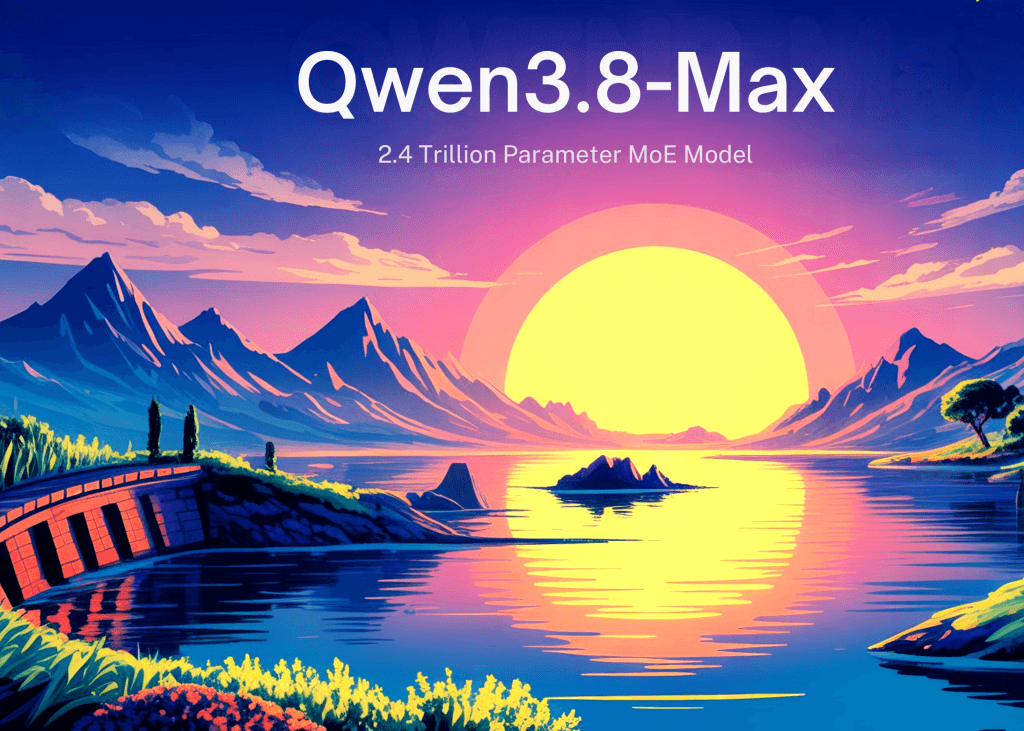
In practice that means you can pull out DeepSeek's model and drop in Claude, the open weights of Qwen3.8-Max or a local model without touching the rest of the system.
Why it matters
Most AI coding tools today ship as one welded package. Model, tools and interface are entangled, so swapping any one of them effectively means swapping the whole tool.
That coupling is a real problem for teams worried about cost or data residency. The model gets expensive, or access is cut, and you are stuck.
A plugin architecture is precisely what unlocks that.
The field is crowded
There is not much empty space here. By GitHub stars, OpenCode leads the open-source harness field at roughly 172,000, followed by Gemini CLI at about 105,000 and OpenAI's Codex CLI at about 90,000.
Meta also shipped its first coding agent, Muse Code, in beta in early August.
The point is that competition in artificial intelligence is no longer only about which model is smarter. It is about who owns the layer between the model and your code. 💡