
Intel Raises $20 Billion in a Share Sale That Was Oversubscribed Five Times
Intel planned to raise $15 billion. Demand was strong enough to push it to $20 billion. The money goes to the foundry business, which analysts expect to reach breakeven by the end of 2027.
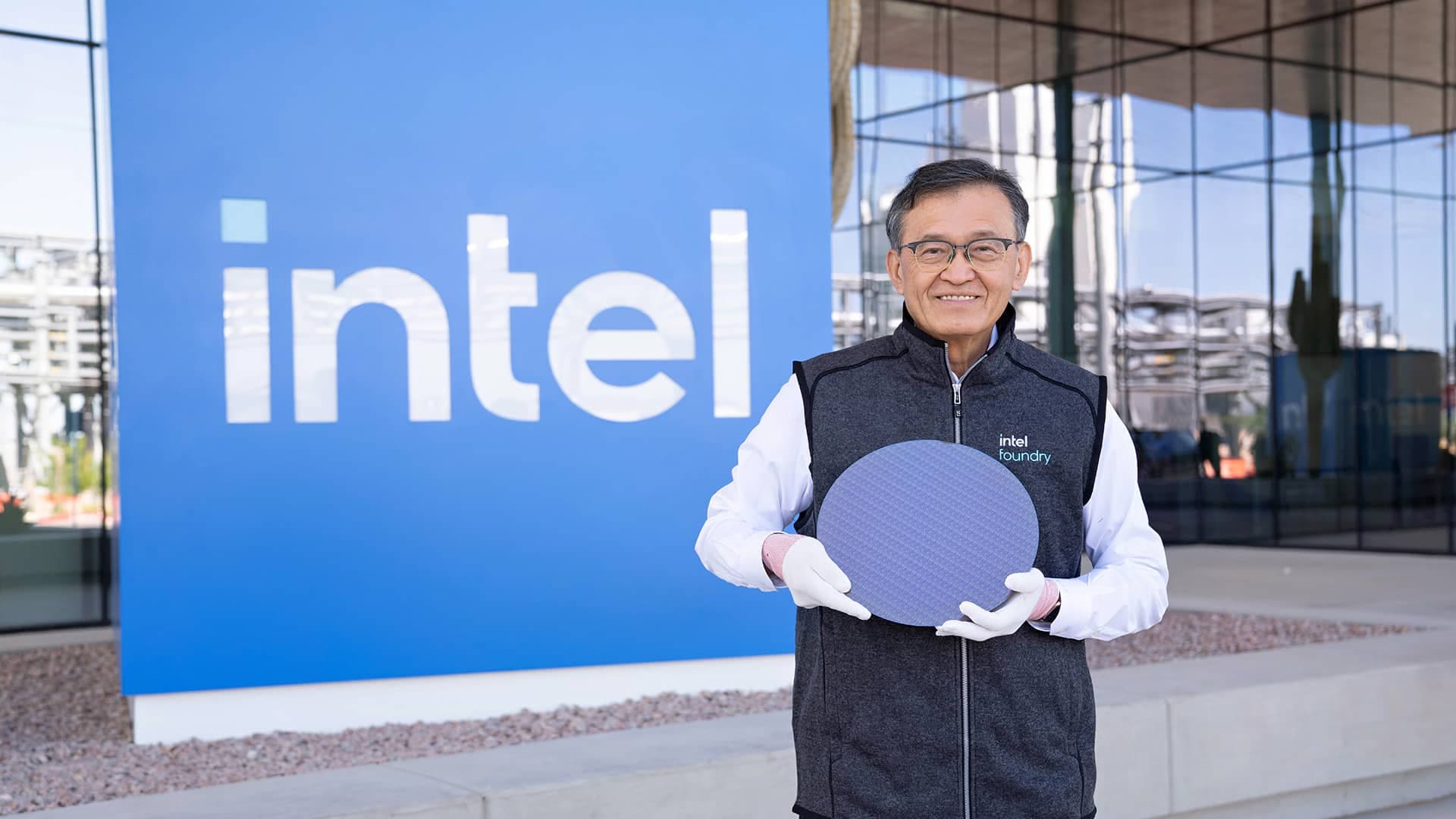
Intel has completed a $20 billion equity offering, upsized from an initial $15 billion target.
According to CEO Lip-Bu Tan, demand exceeded supply by more than five times, which is what pushed the number up.
The mechanics
Intel priced 210.5 million shares at $95 each and expects net proceeds of about $19.7 billion.
The capital is earmarked for new manufacturing capacity, advanced process technology, and winning external foundry customers.
What "foundry" means and why it matters
Intel's historical model was to design its own chips and build them in its own fabs. Companies like Nvidia and Apple design chips but hand manufacturing to TSMC in Taiwan.
Intel's newer strategy is to become a foundry itself, building chips for other companies and competing with TSMC directly.
That takes enormous capital and years of runway. So far it has burned cash, and Nvidia's $500 billion financing push shows where that capital is expected to come from.
What the forecasts say
BofA expects Intel's foundry division to reach operating profitability by the end of 2027, barring a major shift in customer commitments.
Analyst Vivek Arya reiterated a Buy rating while lowering his price target from $160 to $145. His reading is that the raise signals management confidence in the foundry business rather than a defensive move.
Why this is bigger than Intel
Today, a large share of the world's most advanced chips is manufactured on a single island. Anything that disrupts Taiwan stalls the supply chain for the entire AI industry.
If Intel can make its foundry work, it becomes the first serious alternative on US soil. Investors appear willing to put $20 billion behind that possibility. 📈